Choosing Flowers Grown With Safer Pest Controls
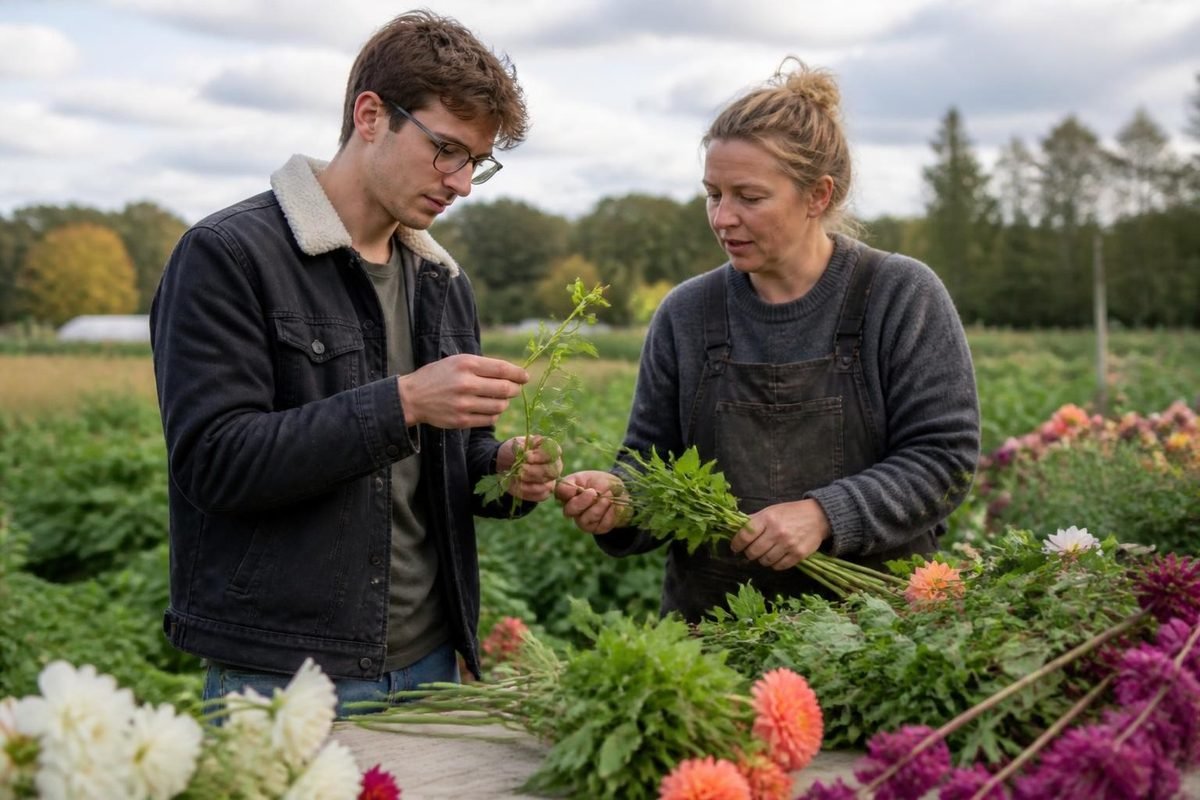
Florists can find flowers grown without unwanted pesticides by asking growers how they manage pests and checking their answers against records or certification rules. First decide which substances and practices your own policy excludes, then work with suppliers who can explain how their crops are raised.
Meet growers in your region
Search farmers markets, regional flower auctions and local grower groups for nearby farms. Buying closer to the source can make it easier to talk with the person who chooses pest control methods. If a visit is possible, you can observe how the farm handles weeds, insects and soil. Still, what you see during a visit cannot prove which products were used throughout the season.
Ask a grower to describe a normal growing season and the steps used to prevent pest problems. Insect netting, rotating crops and creating habitat for beneficial insects may reduce the need for sprays. These approaches are useful to know about, but they do not establish that a farm never applies pesticides.
Ask about the details that matter
Words such as natural, clean and sustainably grown do not have one fixed meaning across the flower trade. Get beyond the label by asking which pest control products are used on the varieties you plan to buy, how frequently they are applied and what conditions lead to treatment. Specific questions make it easier to compare suppliers fairly.
Explain your own requirements before ordering. You may need to avoid named active ingredients, exclude certain pesticide groups or purchase only flowers grown with no pesticide applications. Ask about treatments after harvest as well, since practices used during handling may not match those used in the field.
A supplier may have to check with a farm before answering, particularly if an order combines flowers from several sources. If the details are not available, do not assume the flowers meet your rules. Explain what information you need before your next order so the supplier has a chance to obtain it.
Verify statements with evidence
Certification can help you begin an assessment, but programs do not all follow the same requirements. Ask which standard applies, confirm that it covers the farm or flowers in question, and read its pesticide rules. Organic certification, for instance, limits which substances and practices are allowed. It does not guarantee that pesticides are never used.
When you can, request written descriptions of growing practices or application records for the crops you buy. A short questionnaire for suppliers can make farm responses easier to compare. Keep their answers with your purchase records so staff can trace a claim to its original source.
Certification takes both time and money, so a farm without certification is not necessarily using chemicals you want to avoid. Direct discussion and records can help you assess a smaller grower. Be candid, though, about any details you cannot confirm.
Make supply arrangements you can trust
Begin with a small selection of seasonal flowers and settle quantities ahead of time. A regular order can help a grower plan what to plant for you and make your own supply more predictable. Ask how the farm will tell you if its pest control methods change, since a change could affect whether future crops meet your policy.
If you cannot buy a variety directly from a farm, ask the wholesaler to name its source and share your requirements with that grower. Keep another supplier available for periods when flowers are scarce. Avoid telling customers that every stem meets a particular standard unless you have evidence to support the statement.
Clear questions help you choose flowers that match your policy, while accurate explanations help customers understand the basis for those choices.
More on this: corporate flower etiquette
Corrections
Spot something wrong? Send it to the desk and it gets fixed in the open.